Imagine a knowledge for everything.

Explore Vedanta and Its Place in Daily Life

Vedanta is a wisdom tradition rooted in self-inquiry, and its study is open to everyone. Begin your exploration through our core pathways: study with a Vedanta educator and community, explore the Learning Hub by following what interests you, or establish a systematic morning study practice.

Establish a Morning Practice →

Guided Vedanta Study · Local and Online

Clearer thinking for the life you’re already living.

Explore guided classes that connect Vedanta to decisions, relationships, work, and spiritual inquiry. Choose the subject that speaks to you now; every course offers a structured path into study, reflection, and practice.

Small-group studyWelcoming to new studentsPractical discussion
The Fall of the Human Intellect by A. Parthasarathy in a light architectural studio
Featured weekly studySundays · Birmingham

01 / Course Explorer

Find the study that fits your next question.

Compare format, schedule, and focus without opening multiple pages. Select a course to see its most useful details, then use one enrollment form to register or ask a question.

Show

02 / A Shared Study Method

One clear rhythm across every course.

Each group moves through its chosen text or subject in sequence. The structure stays consistent, so attention can remain on understanding the ideas and relating them honestly to life.

01 / STUDY

Meet the idea clearly.

Follow a text or subject in sequence with explanation that makes the central point easier to see.

02 / REFLECT

Examine your own experience.

Consider how habits, expectations, and reactions appear in your decisions and relationships.

03 / APPLY

Carry insight into action.

Test what you understand in real situations, then return with sharper questions for continued study.

Not sure where to begin?

Start with the question that matters most right now.

Tell us what you are exploring. We will suggest the class, text, or format that offers the clearest next step.

Enrollment and Course Questions

Begin with a few details.

Choose a course and share how we can help. You can register, request upcoming dates, or simply ask a question.

Step 1 of 2

What would you like to explore?

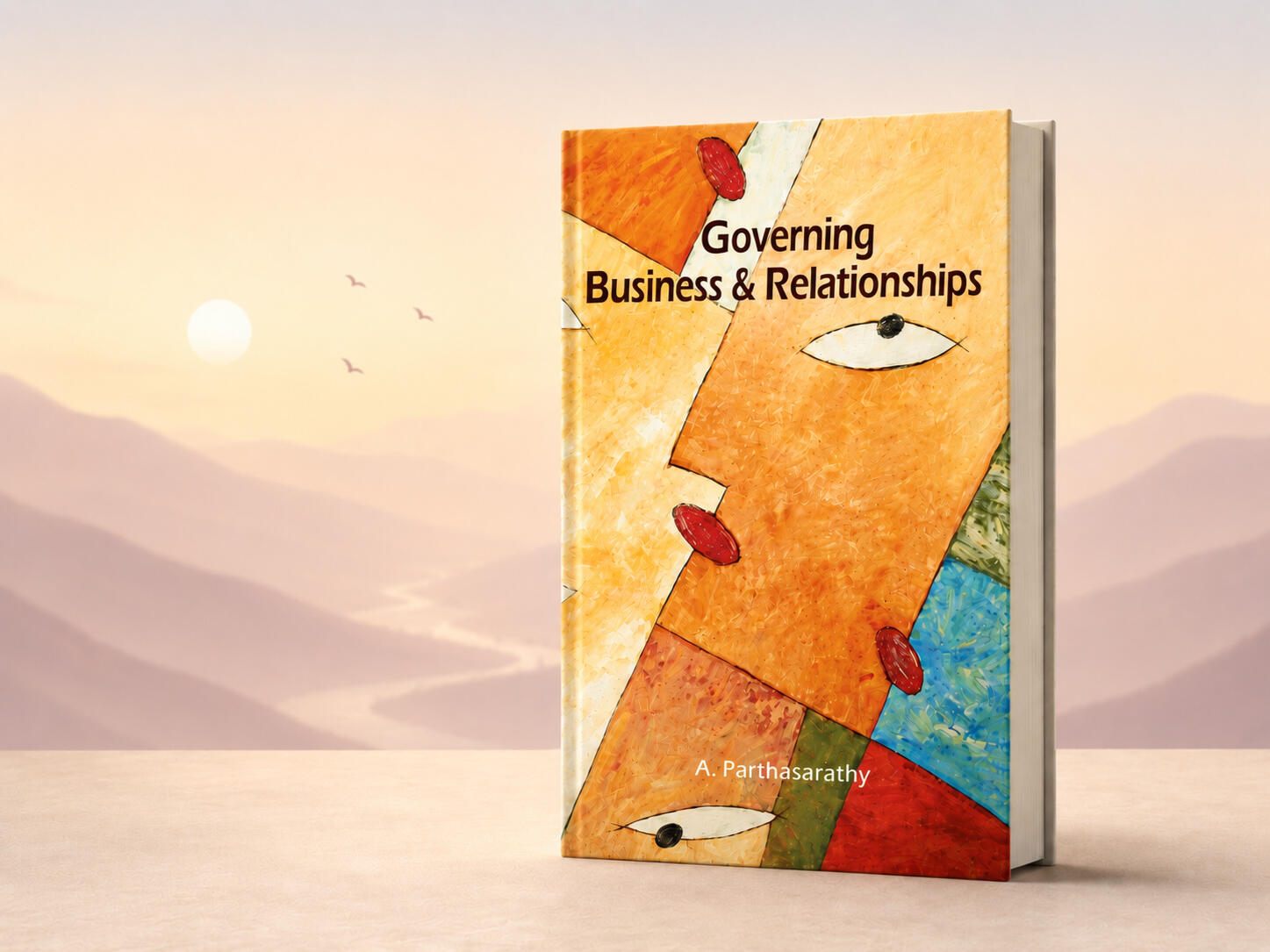
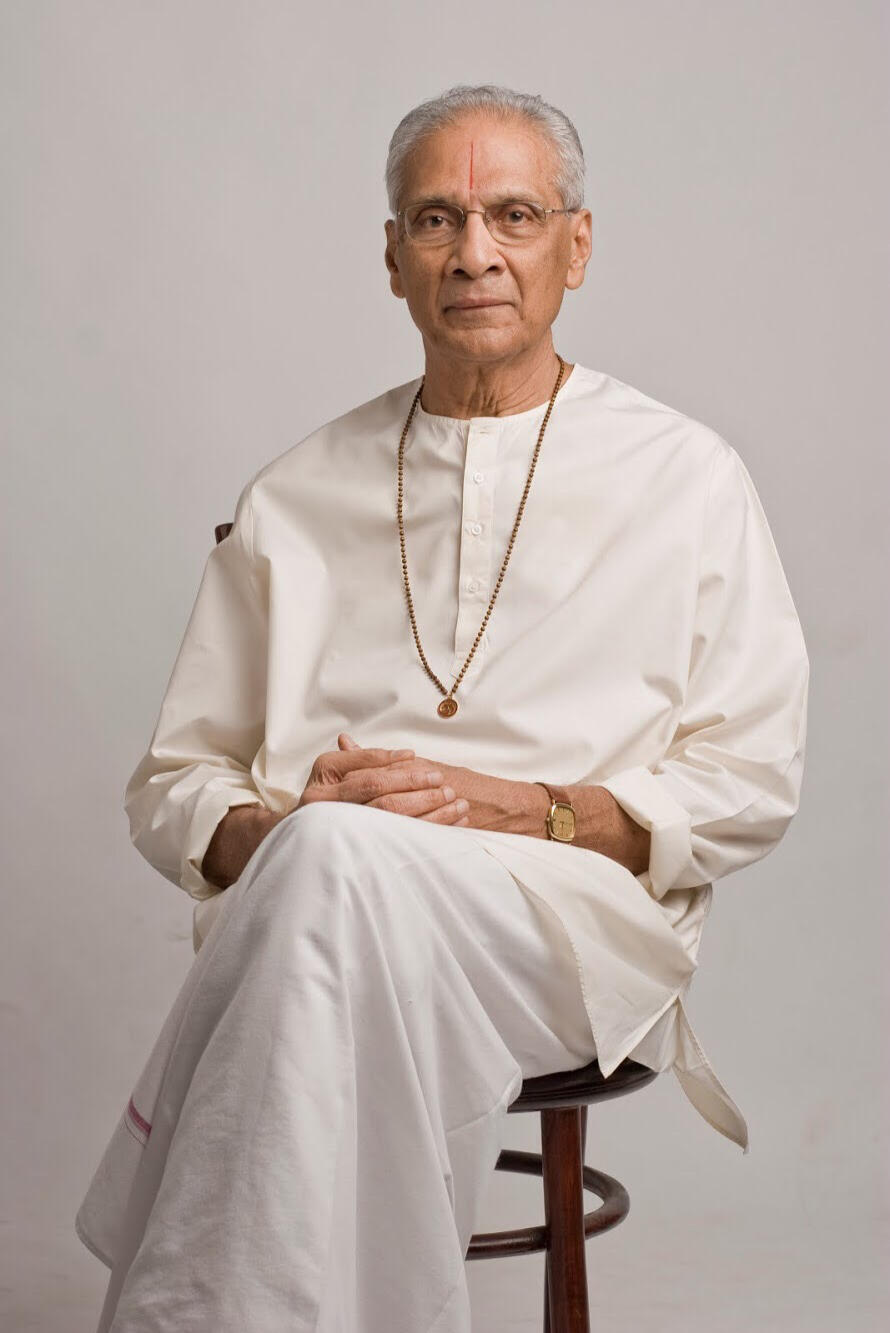
(function boot(n){var r=document.getElementById("vlce-root");if(!r){if(n<30)setTimeout(function(){boot(n+1)},200);return}if(r.dataset.ready)return;r.dataset.ready="1";var author={image:"https://vedantalearning.org/assets/images/image03.jpg?v=1ada0788",bio:"A pioneering philosopher, author, and corporate consultant, A. Parthasarathy has spent over six decades translating ancient texts into practical tools for clearer thinking and self-management. His work has been shared with the World Economic Forum, YPO, and Harvard Business School. He founded Vedanta Academy to support systematic intellectual development and deeper spiritual inquiry."};var courses=[{id:"gita-weekends",number:"01",title:"Bhagavad Gita Weekends",card:"A guided entry into a central text of Vedanta.",status:"Weekend study",filters:"in-person hybrid",badges:["In Person","Weekend Study","Text-Based"],lead:"Study the Bhagavad Gita in sequence and discover how its ideas illuminate responsibility, emotional balance, action, and self-knowledge.",facts:[["Schedule","Selected weekends"],["Format","In person with flexible access"],["Starting point","New and continuing students"]],benefits:["Follow the text through a clear, connected sequence.","Relate its principles to work, relationships, and responsibility.","Develop questions through reflection and thoughtful discussion."],image:"https://vedantalearning.org/assets/images/image05.jpg?v=97e76848"},{id:"human-intellect",number:"02",title:"The Fall of the Human Intellect",card:"Mental clarity, habits, impulses, and decisions.",status:"Sundays · Birmingham",filters:"in-person",badges:["In Person","Weekly","Book Study"],lead:"Explore how stress, habit, emotion, and impulse influence daily decisions—and how stronger reflection can support steadier, more objective thinking.",facts:[["Schedule","Sundays"],["Location","Birmingham, Michigan"],["Starting point","No prior study required"]],benefits:["Distinguish immediate reaction from considered judgment.","Understand patterns behind decision fatigue and inner conflict.","Bring greater clarity into choices, relationships, and work."],image:"https://vedantalearning.org/assets/images/image04.jpg?v=97e76848",book:{copy:"The Fall of the Human Intellect examines why advanced knowledge and modern achievement do not automatically produce sound judgment or emotional balance. It offers a practical framework for understanding the mind, strengthening reflection, and approaching life with greater objectivity.",themes:[["Mind and Intellect","Emotional impulse and the capacity to reason and decide."],["Decision Fatigue","How pressure and competing desires can cloud judgment."],["Habit and Reaction","Patterns that repeatedly shape behavior."],["Objective Thinking","Steadiness, perspective, and deliberate action."]]}},{id:"governing-business",number:"03",title:"Governing Business & Relationships",card:"Self-management for work and human connection.",status:"Hybrid · Schedule forming",filters:"hybrid online forming",badges:["Hybrid","Discussion-Based","Schedule Forming"],lead:"Use Vedanta’s principles of self-management to examine ambition, expectations, relationship friction, leadership, and the quality of action.",facts:[["Schedule","New group forming"],["Format","Hybrid"],["Focus","Work, leadership, and relationships"]],benefits:["See how expectation and attachment intensify pressure.","Approach disagreement with more objectivity and less friction.","Connect purposeful action with steadier leadership and relationships."],image:"https://vedantalearning.org/assets/images/image01.jpg?v=97e76848",book:{copy:"Governing Business & Relationships applies Vedanta to professional and personal life. It begins with self-governance: understanding the inner forces that shape ambition, conflict, cooperation, and effective action.",themes:[["Self-Governance","Managing thought and emotion before circumstances."],["Purposeful Action","Commitment with less anxiety about outcomes."],["Relationship Friction","Expectation, ego, and attachment in interaction."],["Leadership Clarity","Steadiness and objective judgment in responsibility."]]}},{id:"foundations",number:"04",title:"Vedanta Foundations",card:"A welcoming starting point for first-time students.",status:"Online · Schedule forming",filters:"online forming",badges:["Online","Introductory","Schedule Forming"],lead:"Begin with the essential ideas, vocabulary, and study method that make deeper Vedanta exploration clear and approachable.",facts:[["Schedule","Next group forming"],["Format","Online"],["Starting point","No prior study required"]],benefits:["Build a useful foundation without being overwhelmed.","Understand how study, reflection, and application work together.","Identify the text, class, or question to explore next."],image:"https://vedantalearning.org/assets/images/image06.jpg?v=97e76848"}];function q(s,a){return(a||r).querySelector(s)}function all(s,a){return[].slice.call((a||r).querySelectorAll(s))}function find(id){return courses.filter(function(c){return c.id===id})[0]||courses[1]}function spans(a,cls){return a.map(function(x){return"\x3cspan class='"+cls+"'>"+x+"\x3c/span>"}).join("")}var tabs=q("#vlce-tabs"),panel=q("#vlce-panel"),empty=q("#vlce-filter-empty"),live=q("#vlce-course-live");var dialog=q("#vlce-dialog"),form=q("#vlce-form"),one=q("#vlce-step-one"),two=q("#vlce-step-two"),success=q("#vlce-success");var courseChoice=q("#vlce-course-choice"),attendance=q("#vlce-attendance-choice"),progress=q("#vlce-progress-value");var selected="human-intellect",filter="all",lastFocus;function cards(){tabs.innerHTML=courses.map(function(c){return"\x3cbutton class='vlce-course-card' type='button' role='tab' data-vlce-course='"+c.id+"' data-filters='"+c.filters+"'>\x3cspan class='vlce-course-card__top'>\x3cspan class='vlce-course-card__number'>"+c.number+"\x3c/span>\x3cspan class='vlce-course-card__status'>"+c.status+"\x3c/span>\x3c/span>\x3cspan class='vlce-course-card__title'>"+c.title+"\x3c/span>\x3cspan class='vlce-course-card__focus'>"+c.card+"\x3c/span>\x3cspan class='vlce-course-card__format'>View course details →\x3c/span>\x3c/button>"}).join("");}function visual(c){return c.image?"\x3cdiv class='vlce-visual'>\x3cimg src='"+c.image+"' alt='"+c.title+" book in a light editorial setting' loading='lazy'>\x3c/div>":"\x3cdiv class='vlce-visual vlce-visual--"+c.visual+"'>\x3cspan class='vlce-visual__word'>"+c.word+"\x3c/span>\x3c/div>";}function book(c){if(!c.book)return"";var themes=c.book.themes.map(function(t){return"\x3cdiv class='vlce-theme'>\x3cstrong>"+t[0]+"\x3c/strong>\x3cspan>"+t[1]+"\x3c/span>\x3c/div>"}).join("");return"\x3csection class='vlce-book' id='vlce-book-details' hidden>\x3cdiv class='vlce-book__grid'>\x3cdiv>\x3cp class='vlce-eyebrow'>More About the Book\x3c/p>\x3ch4 class='vlce-book__title'>What this book explores\x3c/h4>\x3cp class='vlce-book__copy'>"+c.book.copy+"\x3c/p>\x3cdiv class='vlce-themes'>"+themes+"\x3c/div>\x3c/div>\x3caside class='vlce-author'>\x3cimg src='"+author.image+"' alt='A. Parthasarathy' loading='lazy'>\x3cdiv>\x3cp class='vlce-eyebrow'>About the Author\x3c/p>\x3ch4 class='vlce-author__name'>A. Parthasarathy\x3c/h4>\x3cp class='vlce-author__bio'>"+author.bio+"\x3c/p>\x3c/div>\x3c/aside>\x3c/div>\x3c/section>";}function details(){var c=find(selected);var facts=c.facts.map(function(f){return"\x3cdiv class='vlce-meta__item'>\x3cspan class='vlce-meta__label'>"+f[0]+"\x3c/span>\x3cspan class='vlce-meta__value'>"+f[1]+"\x3c/span>\x3c/div>"}).join("");var benefits=c.benefits.map(function(x){return"\x3cli>"+x+"\x3c/li>"}).join("");panel.innerHTML="\x3cdiv class='vlce-panel__grid'>"+visual(c)+"\x3cdiv>\x3cdiv class='vlce-badges'>"+spans(c.badges,"vlce-badge")+"\x3c/div>\x3ch3 class='vlce-panel__title'>"+c.title+"\x3c/h3>\x3cp class='vlce-panel__lead'>"+c.lead+"\x3c/p>\x3cdiv class='vlce-meta'>"+facts+"\x3c/div>\x3cul class='vlce-benefits'>"+benefits+"\x3c/ul>\x3cdiv class='vlce-panel__actions'>\x3cbutton class='vlce-btn vlce-btn--primary' type='button' data-vlce-enroll='"+c.id+"'>Enroll or Ask a Question\x3c/button>"+(c.book?"\x3cbutton class='vlce-btn vlce-btn--secondary' type='button' data-vlce-book aria-expanded='false'>More About the Book\x3c/button>":"")+"\x3c/div>\x3c/div>\x3c/div>"+book(c);}function update(){var shown=[];all("[data-vlce-course]",tabs).forEach(function(b){var show=filter==="all"||b.dataset.filters.split(" ").indexOf(filter)>-1;b.hidden=!show;if(show)shown.push(b)});if(shown.length&&!shown.some(function(b){return b.dataset.vlceCourse===selected}))selected=shown[0].dataset.vlceCourse;all("[data-vlce-course]",tabs).forEach(function(b){var on=b.dataset.vlceCourse===selected;b.dataset.active=on;b.setAttribute("aria-selected",on);b.tabIndex=on?0:-1});empty.hidden=!!shown.length;live.textContent=shown.length+" courses shown";details();}function step(n){one.hidden=n!==1;two.hidden=n!==2;success.hidden=true;progress.style.width=n===1?"50%":"100%"}function open(id){lastFocus=document.activeElement;form.reset();courseChoice.value=id==="not-sure"?"not-sure":find(id).id;step(1);document.documentElement.classList.add("vlce-modal-open");dialog.showModal?dialog.showModal():dialog.setAttribute("open","");setTimeout(function(){courseChoice.focus()},30)}function close(){dialog.close&&dialog.open?dialog.close():dialog.removeAttribute("open");document.documentElement.classList.remove("vlce-modal-open");if(lastFocus)lastFocus.focus()}r.addEventListener("click",function(e){var x=e.target.closest("[data-vlce-scroll]");if(x){q("#"+x.dataset.vlceScroll).scrollIntoView({behavior:"smooth"});return}x=e.target.closest("[data-vlce-course]");if(x){selected=x.dataset.vlceCourse;update();panel.focus();return}x=e.target.closest("[data-vlce-filter]");if(x){filter=x.dataset.vlceFilter;all("[data-vlce-filter]").forEach(function(b){b.setAttribute("aria-pressed",b===x)});update();return}x=e.target.closest("[data-vlce-enroll]");if(x){open(x.dataset.vlceEnroll);return}x=e.target.closest("[data-vlce-book]");if(x){var b=q("#vlce-book-details",panel),show=b.hidden;b.hidden=!show;x.setAttribute("aria-expanded",show);x.textContent=show?"Close Book Details":"More About the Book"}});q("#vlce-dialog-close").onclick=close;q("#vlce-success-close").onclick=close;q("#vlce-next").onclick=function(){if(courseChoice.reportValidity()&&attendance.reportValidity())step(2)};q("#vlce-back").onclick=function(){step(1)};dialog.addEventListener("click",function(e){if(e.target===dialog)close()});form.addEventListener("submit",function(e){e.preventDefault();if(!form.reportValidity())return;var d=new FormData(form),c=d.get("course"),title=c==="not-sure"?"Help choosing a Vedanta course":find(c).title;var subject=encodeURIComponent("Vedanta Learning inquiry: "+title);var body=encodeURIComponent("Name: "+d.get("firstName")+" "+d.get("lastName")+"\nEmail: "+d.get("email")+"\nPhone: "+(d.get("phone")||"Not provided")+"\nCourse: "+title+"\nParticipation preference: "+d.get("attendance")+"\nInterest or question: "+(d.get("interest")||"No additional note"));one.hidden=true;two.hidden=true;success.hidden=false;progress.style.width="100%";location.href="mailto:[email protected]?subject="+subject+"&body="+body;});cards();update();})(0);

Executive Integration & Address

Vedanta in Leadership

The quality of leadership depends entirely on the clarity of the leader’s intellect. We provide frameworks for serious professionals, corporate organizations, and academic institutions to develop objective decision-making and stable self-management.

Cohort Text Study

Structured Text Groups

Join an ongoing study cohort analyzing foundational management literature, such as Governing Business & Relationships, to build systematic internal governance with a peer community.

Institutional Lectures

Lectures & Addresses

Vedanta educators deliver guest lectures and tailored educational training modules for university audiences, leadership summits, and Fortune 500 corporate training environments.

Leadership Guidance

Individual Dialogue

For executives and founders carrying significant operational responsibilities, we offer direct, individual study dialogues to subtly integrate Vedantic principles into personal decision-making.

Curated Presentation Topics

These structured educational modules are available for corporate guest lectures, academic training, or community groups.

01

The Architecture of Stress-Free Productivity

Investigating internal efficiency versus external pressure. Teaches the mechanics of executing high-stakes responsibilities with dynamic focus while maintaining complete internal poise.

02

Objective Decision-Making under Pressure

Distinguishing clearly between intelligence, acquired data, and the intellect, the capacity to reason. Provides tools to minimize emotional reactive cycles in commercial strategy.

03

Setting Relationships Right

Applying objective Vedantic analysis to group management, communication friction, and leadership alignment to foster functional, zero-friction working environments.

Interested in scheduling a lecture, joining a cohort, or requesting individual study guidance?

Submit a Leadership Inquiry

Organizational Purpose

About Vedanta Learning

Our Mission

Vedanta Learning is an educational nonprofit sharing timeless wisdom for modern life. Through study, reflection, and application, we explore the principles of Vedanta—a universal system of knowledge that refines thought, steadies emotion, and reveals the purpose of living.

As a 501(c)(3) organization, we focus strictly on text-based study, self-inquiry, and practical intellect development, providing structured opportunities for individuals to examine and apply these principles in their own lives. All course environments are open and welcoming to everyone, from new learners to serious, long-term students.

A Global Influence

For centuries, the world’s most profound thinkers, writers, and philosophers have turned to the text-based study of Vedanta to understand the ultimate mechanics of life, action, and human consciousness.

Literature & Philosophy

“I owe a magnificent day to the Bhagavad Gita. It was the first of books; it was as if an empire spoke to us...”

— Ralph Waldo Emerson

Historical Perspective

The rigorous, logical framework of Vedanta has deeply engaged and influenced the work of universal figures including Aldous Huxley, T.S. Eliot, Henry David Thoreau, and Joseph Campbell.

We continue this rich educational work independently, preserving the clarity of the tradition for the modern day.